8 Tips for managing your team during the 2026 World Cup
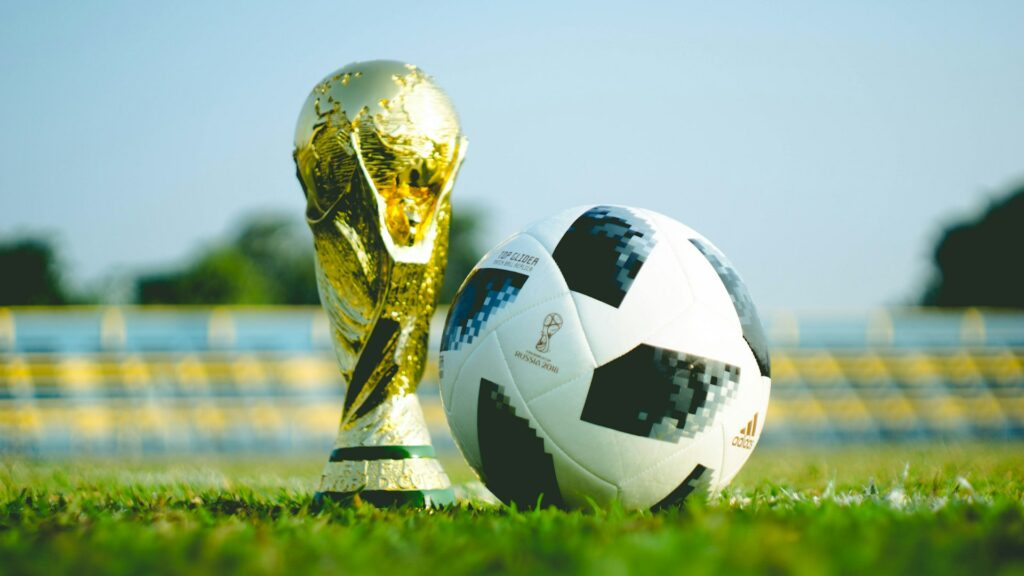
The 2026 FIFA World Cup is taking place between 11th June and 19th July, with matches hosted across Canada, Mexico and the USA.
While the tournament promises to be a fantastic occasion for football fans, it may also present some practical challenges for employers. Due to the time difference, many matches involving UK nations are expected to take place late at night or during the early hours of the morning.
For employers, this can lead to a range of workforce management issues, from increased fatigue and reduced productivity through to last-minute annual leave requests, unauthorised absence and potential wellbeing concerns.
The good news is that most of these challenges can be managed successfully with some forward planning and clear communication.
Here are 8 key tips for managers ahead of the 2026 World Cup.
1. Set out the expectations
One of the most effective ways to avoid issues during a major sporting tournament is to set expectations before the first few matches kick off.
A short communication to employees outlining expectations around attendance, punctuality, sickness reporting, annual leave and flexible working can help prevent misunderstandings later down the line.
Where possible, any guidance should be consistent across the organisation and inclusive of employees who may have little or no interest in football.
2. Be prepared for increased annual leave requests
It’s likely that some employees will want time off around key matches, particularly if England or Scotland progress through the tournament.
Managers should encourage employees to submit requests as early as possible and ensure there is a fair process for approving leave.
Whether you operate a first-come, first-served basis or another system, consistency is key. Applying the same rules across teams can help minimise frustrations and maintain adequate staffing levels throughout the tournament.
For more tips on managing leave requests fairly, check out this blog post we shared previously.
3. Consider flexible working where appropriate
Depending on the nature of the business, some organisations may be able to offer temporary flexibility around start and finish times.
Allowing employees to begin work slightly later after a late-night match, while making up the time elsewhere, may help reduce fatigue and support employee wellbeing.
Any flexibility offered should be communicated clearly and applied fairly across the teams.
4. Don’t underestimate the impact of fatigue
One of the less obvious risks associated with major sporting events is employee fatigue.
The World Cup schedule means that many employees may stay awake significantly later than usual to watch matches. According to research, even modest reductions in sleep can affect productivity, concentration and decision-making. Sleep durations of five to six hours have been linked to a productivity reduction of around 19%, while fewer than five hours may result in a reduction of approximately 29%.
Fatigue can also increase the likelihood of mistakes, making it an important consideration for managers across all sectors.
This doesn’t mean employers need to police employees’ personal lives. However, it does mean being aware of the potential impact that disrupted sleep patterns may have on workplace performance.
5. Support managers to handle absence consistently
Major sporting events can sometimes lead to an increase in short-notice absences.
A UK poll revealed that 40% of respondents said they would consider taking a sick day during a major football tournament.
While most employees act responsibly, managers should feel confident in following set absence reporting procedures, carrying out return-to-work discussions and addressing any patterns of concern in line with company policy.
A fair and consistent approach is usually the most effective way to maintain trust while also protecting the needs of the business.
6. Additional considerations for safety-critical roles
For organisations operating in sectors such as manufacturing, warehousing, transport, construction or utilities, fatigue may present additional, serious risks.
Tiredness can slow reaction times, reduce concentration and increase the likelihood of errors, particularly in roles involving machinery, driving, or other safety-sensitive activities.
Managers responsible for safety-critical teams may wish to:
- Conduct quick start-of-shift wellbeing check-ins
- Ensure supervisors understand the signs of fatigue
- Review shift patterns around key match days
- Protect rest breaks
- Encourage employees to raise concerns if they don’t feel fit to undertake certain tasks
7. Keep customer service and productivity on track
Even in office-based or customer-facing environments, the effects of late nights can become noticeable.
Managers may want to consider scheduling important meetings, presentations or complex project work at times when employees are likely to be more alert and productive.
Where temporary flexibility is introduced, having a clearly communicated framework can help ensure consistency across all areas of the business.
Encouraging employees to stay hydrated may also help support concentration and energy levels throughout the day.
8. Review your drugs and alcohol policy
The World Cup often brings increased social activity, including boozy viewing sessions.
As a result, it can be worthwhile reminding employees of any existing drugs and alcohol policies before the tournament begins.
The purpose, rather than to create concern, is to ensure everyone understands their responsibilities, the standards expected at work, and any procedures that may apply in safety-critical environments.
Where organisations carry out workplace testing, employers should ensure processes remain lawful, proportionate, and compliant with legislation.
A little planning goes a long way
The reality is that most employees will watch at least some of the World Cup, and many will stay up later than usual to do so. For employers, the challenge is making sure business operations don’t suffer as a result.
In most cases, a bit of planning and some common sense will go a long way.
Managers who communicate expectations clearly, deal with requests consistently and show a degree of flexibility where possible are likely to experience far fewer issues than those who take a reactive approach once the tournament is underway.
The World Cup can be a great opportunity to bring people together, boost morale and create a bit of excitement in the workplace. The key is finding the right balance between supporting employees to enjoy the occasion and ensuring service levels, productivity and workplace safety are maintained.
If you’re unsure whether your current policies and processes are robust enough to cope with the challenges that major sporting events can bring, now is a good time to review them.
Our friendly HR professionals are here to chat to help you understand where you might need to make improvements. Get in touch with us today.